
The right display idea does more than hold inventory. It maximizes floor space, keeps graphics visible from across the aisle, and pushes shoppers toward the register. The US custom t-shirt printing market hit $857.5 million in 2023, and it's projected to grow at an 11.8% CAGR through 2030. More retailers are printing custom graphics than ever, and they all need somewhere to put them.
TL;DR
- Maximize vertical space and full-graphic visibility with wall-mounted slatwall
- Pack folded inventory into small boutique footprints with cubby displays
- Cross-merchandise tees with caps and shorts on freestanding H-Frame, T-Frame, or Pinwheel racks
- Build social-media moments with mannequin styling and creative shelf setups
- Hang for visibility, fold for capacity, and match fixtures to space, budget, and traffic
Overview of T-Shirt Display Options in Retail
T-shirt displays range from a simple folded shelf to an interactive wall with LED lighting and touchscreens. Each format fits a different kind of store.
Your best choice depends on:
- Store size: a 500-square-foot boutique needs different fixtures than a 20,000-square-foot big-box location
- Inventory volume: high SKU counts favor cubbies or slatwall over open racks
- Brand positioning: a streetwear boutique styles differently than a sporting goods chain
Below, we break down the best t-shirt display ideas by category, moving from practical storage solutions to creative showstoppers.
Best T-Shirt Display Ideas for Every Retail Space
These ideas fall into four buckets: space-saving wall systems, high-capacity cubbies, freestanding multi-product racks, and creative displays. Pick based on what your floor plan actually needs.
Wall-Mounted & Slatwall Displays
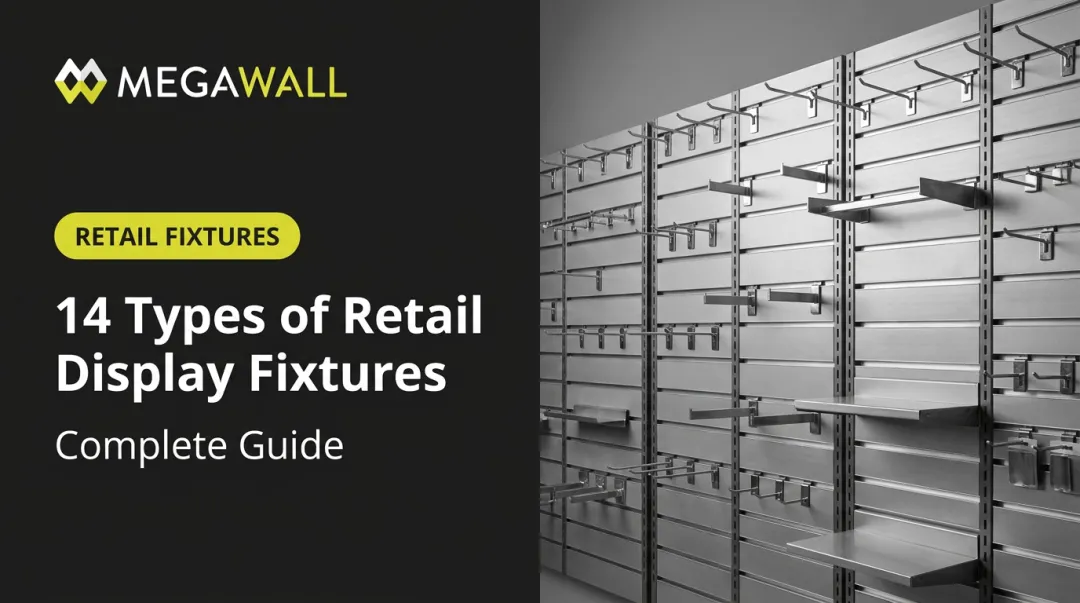
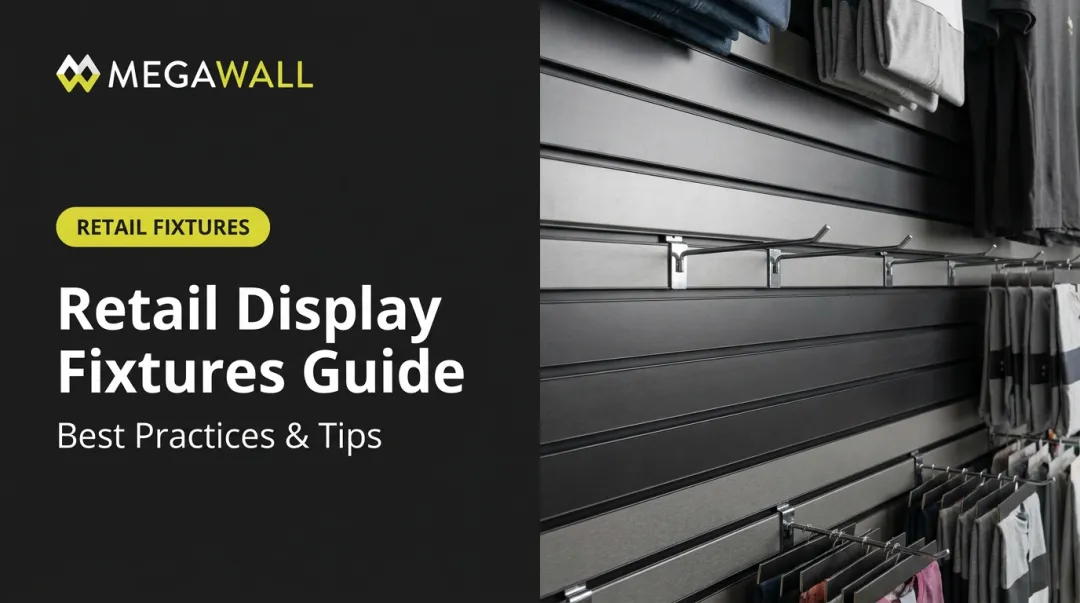
Slatwall systems with face-outs and apparel bars let retailers hang merchandise vertically instead of eating up floor space. A single wall can showcase dozens of styles at eye level, where shoppers actually look.
Megawall's steel and aluminum slatwall panels use a concealed fastener design, engineered with interlocking grooves and hidden hardware so no screw heads interrupt the display face. This creates a seamless look across sections up to 8 feet long.
Both materials hold over 50 lbs per linear foot, and they're built to outlast MDF fixtures that warp, break, or delaminate under repeated seasonal resets.
| Aspect | Steel | Aluminum |
|---|---|---|
| Material | Heavy-gauge formed and welded steel | Lightweight, corrosion-resistant |
| Weight Capacity | 50+ lbs per linear foot | 50+ lbs per linear foot |
| Sustainability | Not LEED-certified | LEED-certified, 50%+ recycled content |

Load ratings still depend on hardware and installation. Industry sources like Trusscore rate similar systems at 75 lbs per square foot when fastened to studs every 16 inches, so always confirm bracket specs before hanging heavy merchandise.
T-Shirt Cubby Displays
Cubby displays — spinning, four-sided, wire or wood — hold a dozen or more folded shirts per cubby. They're a favorite for small-format stores that need SKU separation without eating up square footage.
One documented example: a 20-cubby spinning display can hold up to 240 folded t-shirts across 20 SKUs, and it sits on casters so staff can reposition it into corners or feature zones as needed.
| Aspect | Detail |
|---|---|
| Capacity | 10-20+ cubbies, 120-240+ folded shirts |
| Footprint | Compact, often under 3 sq ft |
| Best Use Case | Boutiques, corners, movable feature displays |

Freestanding & Multi-Product Apparel Racks
Waterfall, faceout, and jet rail fixtures let you cross-merchandise t-shirts with shorts, caps, and bags on the same unit. This shortens the shopper's path from "I like this shirt" to "I'll also grab a hat."
Megawall's modular fixtures each serve a different layout need:
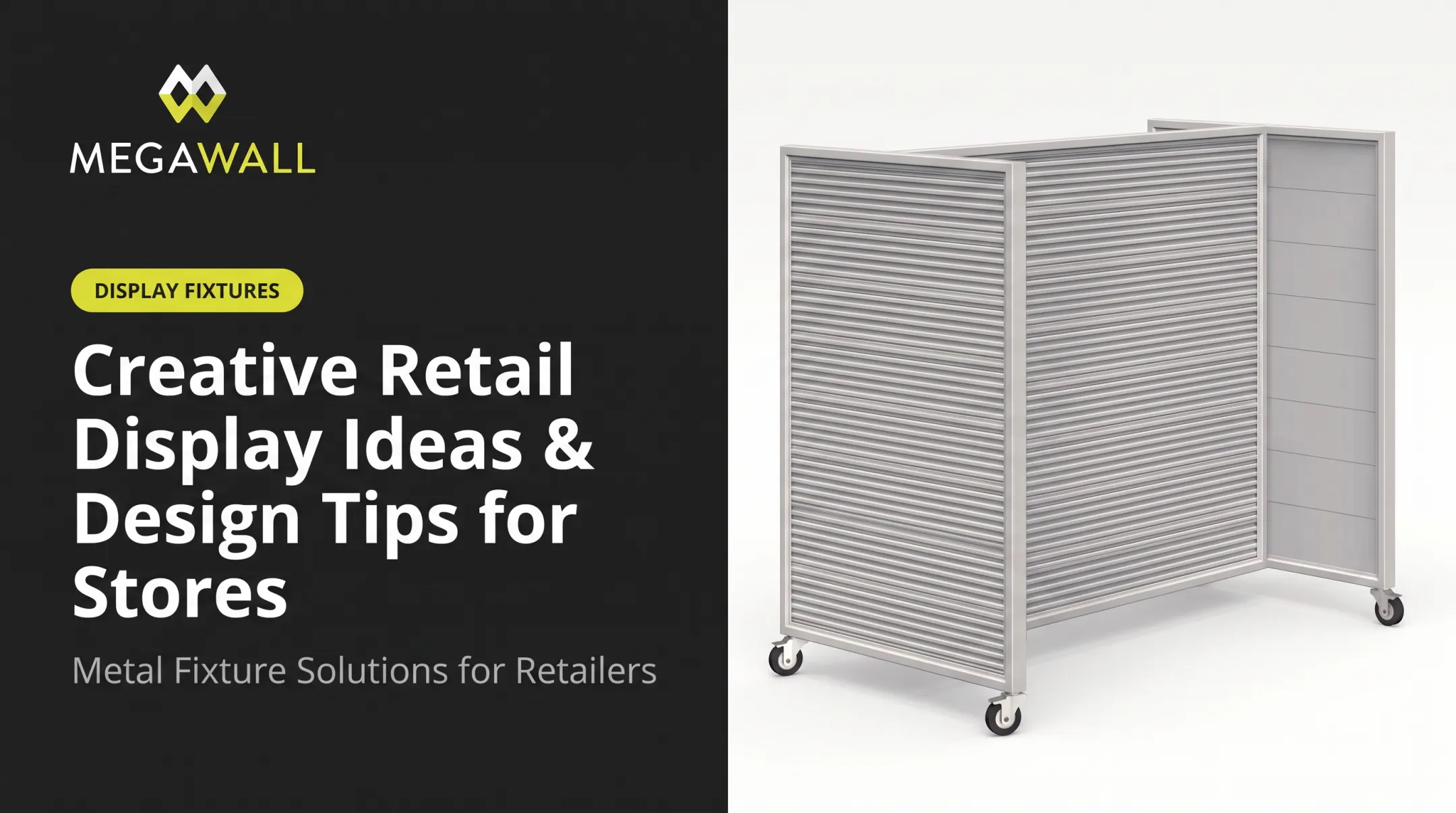
- T-Frame — two-sided, horizontal slatwall accepts hooks and shelves for shirts on one side, accessories on the other
- H-Frame — four sides for a broader assortment around one unit
- Pinwheel — four vertical surfaces on casters, ideal for tight floor plans
- L-Frame — creates a focal point that guides traffic toward impulse buys
| Aspect | Detail |
|---|---|
| Flexibility | Modular; customizable height, width, finish |
| Cross-merchandising Potential | High — shirts, caps, accessories on one fixture |
| Typical Retail Setting | Mid-size to large-format stores |

Creative & Interactive Display Concepts
Ceiling-hung frames, LED backlit shelves, color gradient walls, and mannequin styling create the kind of visual impact that stops foot traffic and gets phones out for a photo.
A RetailNext case study tracked a specialty apparel chain with over 600 stores across North America. A prototype display drove higher exposure, engagement, and dwell time compared to standard fixtures, even during a month when overall traffic dropped. No exact sales lift was disclosed, but the exposure gains were measurable.
| Aspect | Detail |
|---|---|
| Visual Impact | High — draws attention from across the store |
| Cost Range | Moderate to high, depending on lighting/tech |
| Ideal Store Type | Flagship, mall, experiential retail |

Hang vs. Fold: Choosing the Right Presentation Method
Hanging shows off the full graphic and invites browsing. Folding maximizes shelf capacity and keeps stacked inventory tidy. The right choice depends on your goals for that specific fixture.
Retail merchandising guidance from Mainetti recommends folding casual tees while hanging shirts where silhouette or print scale matters most. Too many rails in a small store can also feel cluttered.
Most high-performing stores use a mixed approach:
- Hang bestsellers and hero graphics at eye level
- Fold overstock, extra sizes, and basics into cubbies or shelves
- Rotate which styles get hung based on sell-through data
This combination gives shoppers visibility on your top styles without sacrificing the storage density folding provides.
How We Chose the Best T-Shirt Display Ideas
We evaluated every display idea on four criteria:
- Durability through repeated seasonal resets
- Space efficiency on the sales floor
- Cost-to-impact ratio for the fixture investment
- Ease of restocking during peak hours
A fixture that looks great but falls apart after a season isn't worth the shelf space.
Common mistakes retailers make:
- Overcrowding displays until shoppers can't tell what's featured
- Ignoring eye-level placement for hero products
- Choosing cardboard or MDF units that warp or delaminate after repeated resets
- Failing to plan for seasonal changeovers
Those mistakes often trace back to weak fixtures. Steel and aluminum slatwall hold up through dozens of resets without warping, so displays stay clean and teams spend less time on repairs.
Conclusion
The strongest t-shirt displays start with durable fixtures and smart space planning. Visual storytelling—styled mannequins, coordinated color blocks, a clear focal wall—gives shoppers a reason to stop and browse.
Evaluate your options based on foot traffic, inventory turnover, and long-term durability, not just the upfront price tag on a cardboard display unit. If you're building out a wall of t-shirts that needs to survive years of seasonal resets, Megawall's slatwall display systems offer a durable, space-maximizing foundation for your merchandising.
Frequently Asked Questions
What are some effective ways to display t-shirts?
Wall-mounted slatwall, cubby displays, and freestanding racks are the top options. Slatwall maximizes vertical space, cubbies pack folded inventory into small footprints, and racks support cross-merchandising with accessories.
What are some unique ways to display a shirt on a wall?
Ceiling-hung frames, LED backlit shelves, and gridwall or slatwall combinations create visual impact beyond standard hanging rods. These work especially well in flagship or experiential retail settings.
Is it better to hang your t-shirts or fold them?
It depends on your goal: hanging improves visibility and shows off full graphics, while folding maximizes capacity for stacked inventory. Most successful stores mix both approaches.
How much space do I need for a t-shirt display?
Space needs vary widely by fixture type. A compact cubby display can fit in under 3 square feet, while freestanding racks or full slatwall walls need more square footage to work well.
What materials are best for durable retail t-shirt displays?
Steel and aluminum outperform MDF and cardboard for longevity and weight capacity. Both materials resist warping and delamination, holding up through repeated seasonal resets.
How can I make my t-shirt display more eye-catching on a budget?
Try color coordination by design or size, repurposed ladder shelves, or simple mannequin styling. Small, focused displays often draw more attention than crowded, all-inventory walls.