
Shoppers still want to touch, try, and browse in person. What separates a boutique customers remember from one they forget usually comes down to design choices, not inventory size.
This guide covers 11 practical, budget-conscious tips spanning layout, merchandising, ambiance, and fixtures.
Key Takeaways
- Guide shoppers deliberately from entrance to checkout with intentional layout flow
- Place a decompression zone and power wall near the entrance to lift engagement
- Raise perceived value and ROI with durable fixtures and less visual clutter
- Align lighting, music, and theme so every cue reinforces brand identity
Master Your Store's Layout and Flow
Layout is the backbone of boutique design. It determines how much of your inventory customers actually see before they leave.
Mind the Decompression Zone
The first several paces inside your door are a transition space, not a selling space. Retail researcher Paco Underhill's foundational study documented in The New Yorker found shoppers use this zone to shift from "walking mode" to "browsing mode."
In that stretch, they're processing lighting, sound, and layout, not reading signage.
Skip placing key products or promotional signs here. Instead, use this space for a small curated vignette that hints at your store's overall theme without demanding a purchase decision.
Build a Power Wall
Underhill's research also identified a consistent behavioral pattern: shoppers who've adjusted to the store tend to drift right. Displays positioned at the back edge of the decompression zone saw interaction increase by at least 30%, with even stronger results when placed to the right.
This makes your right-side wall prime real estate for:
- New arrivals
- Seasonal promotions
- Eye-catching product groupings
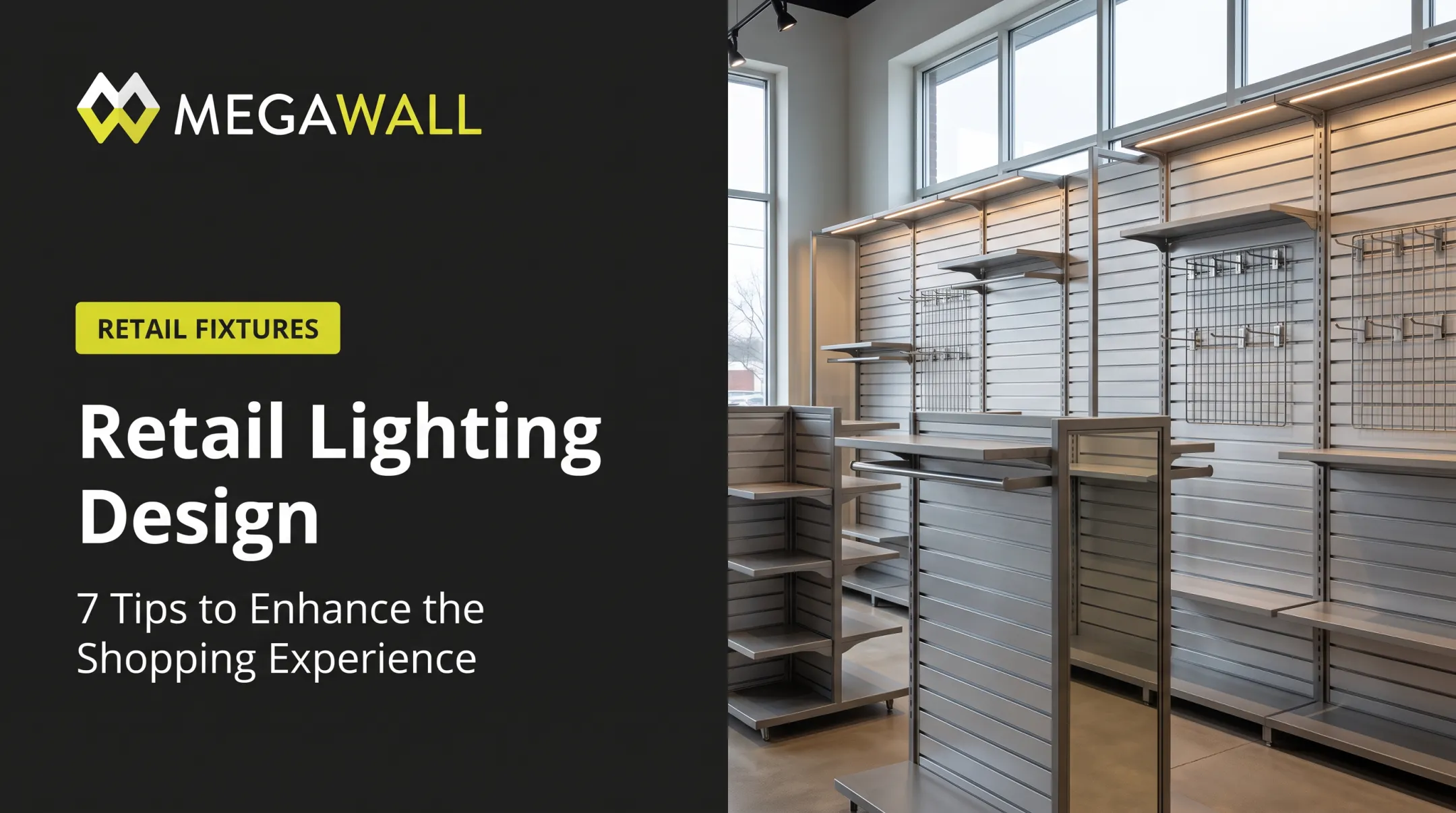
Building this wall with a modular slatwall system, like Megawall's concealed-fastener aluminum slatwall, creates a seamless display with no visible hardware. It holds over 50 pounds per linear foot across 8-foot sections, so heavier accessories, bags, or grouped merchandise stay secure without cluttering the wall.

Create a Path That Flows
Two-sided shelving, product "pods," and varied flooring textures subtly steer customer movement without a single sign telling them where to go. The U.S. Chamber of Commerce notes that layout style (grid, spine, free-flow, or forced) directly affects whether shoppers move too fast to notice merchandise or linger long enough to browse.
For larger boutiques, add a second checkout point. One bottleneck at the register interrupts the flow you worked to build.
Slow Shoppers Down With Speed Bumps
Retail design guidance from ICSC describes "speed bumps": breaks in repetitive fixture rows that interrupt autopilot browsing. Tactile merchandise outposts (a small table with samples, a touchable display) encourage lingering.
Example: Place a high-demand item at eye level on a multi-tiered display near a walking path. The height variation itself acts as a visual speed bump, prompting a second look.
Optimize Space and Merchandising
Thoughtful merchandising raises perceived value more than packing every shelf full.
Be Thoughtful With Your Use of Space
Negative space makes products look premium instead of overstocked. Wall-mounted display systems free up floor area, giving customers room to move without brushing racks on both sides.
Reduce Clutter and Kitsch
Showing fewer items per style, with backstock available on request, reduces visual overwhelm and can boost conversions. The fixtures you use matter here too.
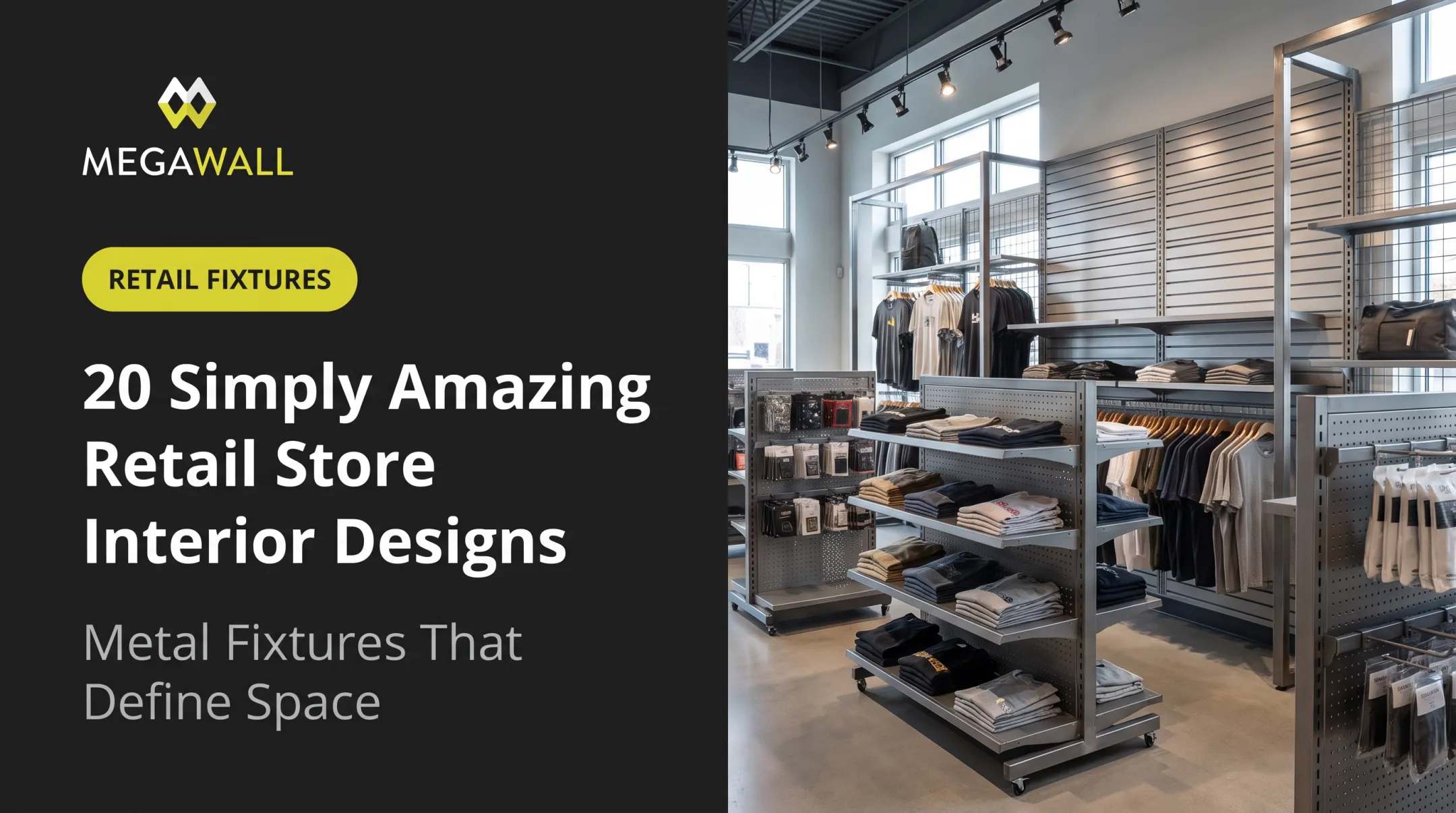
Flimsy MDF units sag, warp, and wear down fast, creating clutter even when merchandising is intentional. Megawall's steel slatwall, by comparison, holds over 50 pounds per linear foot and stays clean-lined under real merchandising loads, with no bowing shelves or crooked hooks.

Creative Studio Promotions' co-owner Menda Wright describes Megawall slatwall as "a focal point for all who enter," noting the finish creates a more professional impression for displaying branded merchandise.
Choose a Theme That Tells Your Brand Story
Your décor, color palette, and fixture finishes should reflect your niche and target customer. A vintage clothing boutique and a minimalist skincare shop need entirely different visual languages.
If curating a cohesive theme feels overwhelming, bring in a professional designer. It's a smaller investment than redoing a mismatched buildout twice.
Fixture customization matters for theming too:
- Anodized, powder-coated, or raw aluminum finishes
- Custom colors on select slatwall products (subject to minimum orders)
- Consistent fixture styling across departments
Set the Mood With Lighting and Music
Ambiance elements work together to extend how long shoppers stay and shape their first impression before they've touched a single product.
Let Your Lights Shine
Warm lighting creates a cozy, inviting feel. Harsh fluorescent lighting reads as cold and clinical, closer to a hospital than a boutique.
Research published in the Journal of Business Research found that supplemental lighting on merchandise displays had a measurable positive effect on shopper interaction.

Prioritize light in two places:
- Spotlight focal displays so merchandise draws the eye
- Use flattering dressing-room light; it directly influences whether a shopper buys
Use Music to Set the Tone
Tempo and genre should match your brand personality. A high-energy streetwear shop and a quiet home goods store call for very different playlists. Some boutiques even shift music by time of day, going calmer in the morning and more upbeat during weekend rush hours.
Stay Current and Add Comfort
These final tips keep your boutique feeling fresh instead of static.
Stay in Tune With Trends
Boutiques compete with big-box retailers by moving faster on trend-forward items. Once new arrivals hit the floor, share them with your VIP customer list and social media immediately — don't wait for a slow news day.
Introduce Seating
Comfortable, on-brand seating gives shoppers (and the friends or partners waiting on them) a reason to stay longer. A single well-placed bench near dressing rooms can extend visit length without costing much.
Frequently Asked Questions
Are boutique retail stores profitable?
Profitability depends on inventory turnover, cost control, and effective merchandising. Smart design directly supports higher margins by improving conversion rates and reducing markdowns from unsold stock.
What is the best layout for a boutique retail store?
A flowing layout with a clear decompression zone and a right-side power wall tends to perform best for small-footprint boutiques. It respects natural shopper behavior instead of fighting it.
How can I make my boutique retail store stand out?
Unique theming, quality fixtures, and regularly rotating displays are the biggest differentiators. Consistency between your brand story and your physical space builds recognition over time.
What are the latest trends in boutique retail store design?
Sustainable materials, modular and flexible fixtures, and experiential design elements are gaining traction. Megawall's aluminum slatwall, for example, uses over 50% recycled content and is LEED-certified.
How often should I update my boutique store's displays?
Seasonal refreshes plus smaller weekly adjustments to power walls and speed bump displays keep the store feeling current. Daily maintenance touches, like straightening merchandise, matter too.
What type of fixtures work best for a small boutique space?
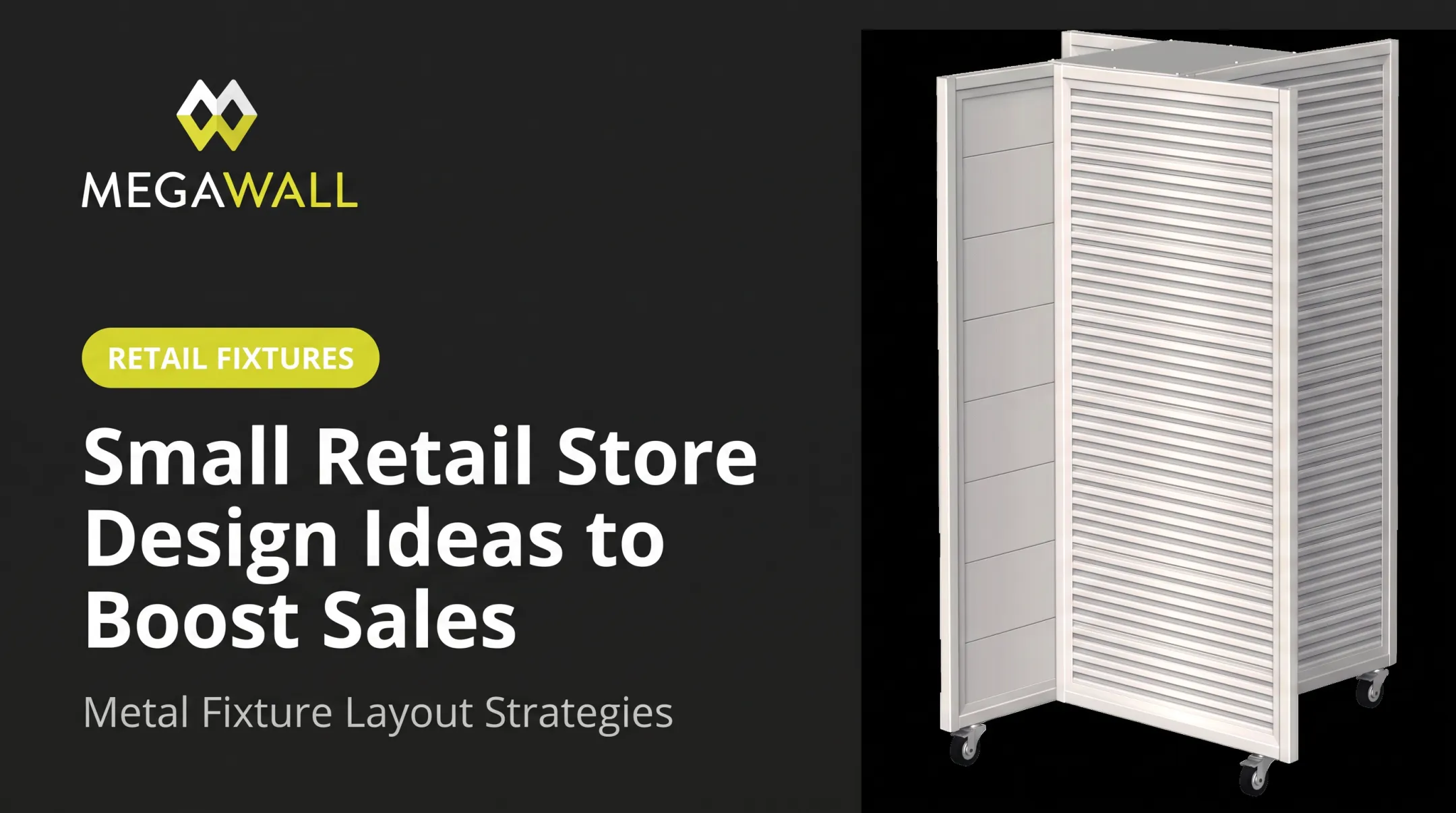
Durable, wall-mounted slatwall systems maximize floor space while supporting heavy merchandise loads. Mobile options like Pinwheel fixtures also work well, offering four display surfaces in tight quarters.