
Poor sightlines and weak displays create blind spots where small, high-value items disappear fast. Meanwhile, customers evaluating a $400 camera system expect a showroom that looks as solid as the products on the wall.
This guide covers layout planning, fixture selection, product zoning, lighting, and loss prevention built specifically for security equipment retailers.
Key Takeaways
- Balance an inviting showroom with strong theft protection for compact, high-value inventory
- Heavy-duty fixtures matter more here than in typical retail: safes and cameras demand real load capacity
- Smart zoning and lighting reduce shrink while helping customers compare technical products
- Modular slatwall systems adapt as new security technology enters your product mix
Planning an Effective Store Layout for Security Product Retailers
Map your customer's path from entrance to checkout deliberately. High-margin items such as smart locks and camera bundles belong in high-visibility zones customers pass early, not buried in back corners. Create distinct zones so shoppers can self-navigate a technical category:
- Residential security (door locks, doorbell cameras, alarm kits)
- Commercial/business security (access control, multi-camera systems)
- Smart home integration (hubs, app-connected devices)
- Accessories (cables, mounts, batteries, replacement parts) According to University of Florida research on interior design and shoplifting drawn from Loss Prevention Research Council fieldwork, apprehended shoplifters looked for chaotic, overpacked aisles and blind spots hidden from staff and cameras. They described wide, clear aisles and a logical floor plan as making detection and escape harder. That is exactly what a well-organized security showroom should deliver. Keep sightlines open:
- Avoid tall fixtures near entrances that block cashier views
- Position high-value displays where staff have a clear line to them
- Place demo stations in open view, not behind shelving where a unit can walk out

Reducing Blind Spots Near Demo Areas
Demo stations create a natural bottleneck: customers linger there, which helps sales but raises theft risk. Keep them on main sightlines and within view of a staffed counter so a hands-on demo cannot become a grab-and-run.
Choosing Durable Fixtures and Display Systems for Security Equipment
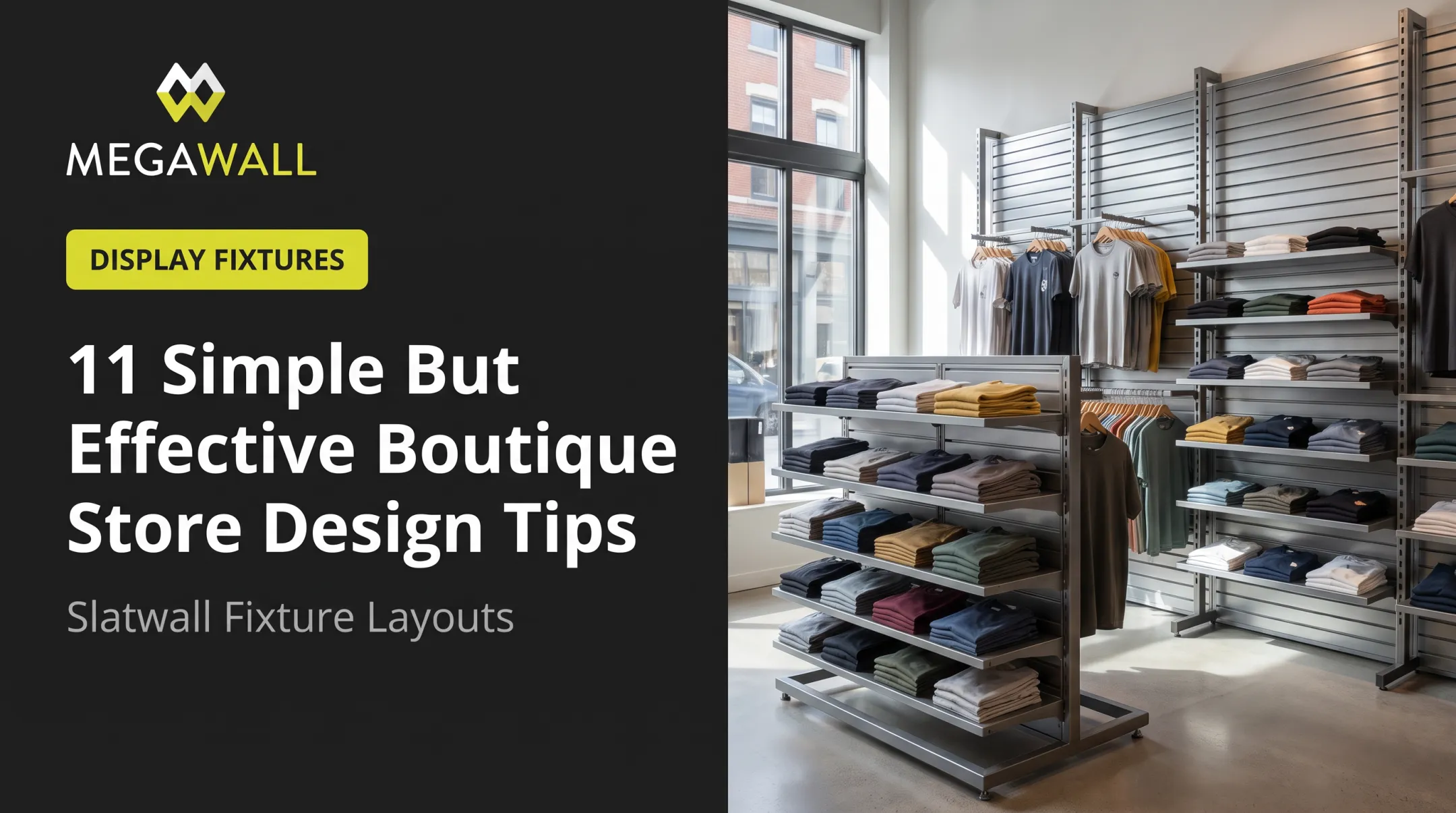
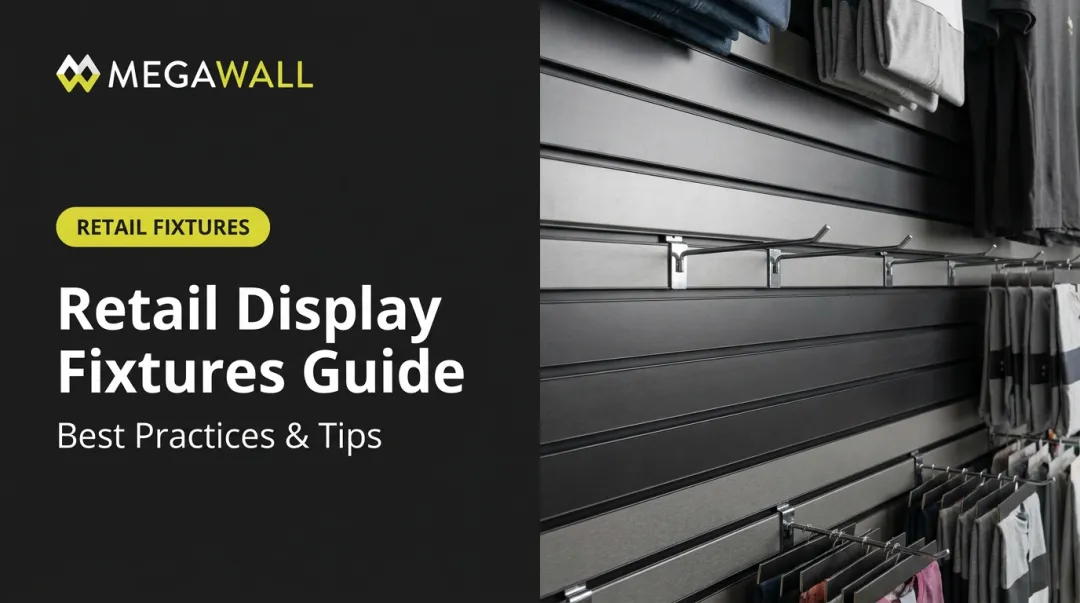
Standard MDF fixtures weren't built for sample safes, lock hardware, or camera housings. These products are heavier and get handled constantly as customers pick them up to inspect build quality. According to American Retail Supply's slatwall weight comparison, MDF brackets typically hold 10-15 pounds unsupported, and only reach roughly 50 pounds with aluminum reinforcement inserts. Many manufacturers won't warranty a specific weight rating because installation conditions vary so widely. Steel and aluminum slatwall systems handle this load differently. Megawall's steel slatwall, for example, holds over 50 pounds per linear foot. It's built from heavy-gauge, formed and welded steel with interlocking sections—the margin you want when a customer hefts a sample safe off the wall to check the hinges. Capacity alone isn't enough in a security showroom. The finish has to match the promise you're selling.

Concealed Fasteners and Brand Presentation
A showroom built on trust and reliability shouldn't show exposed screws and visible hardware. Megawall's patented concealed-fastener aluminum and steel slatwall creates seamless sections up to 8 feet long. That polished look reinforces the professionalism customers expect from a security specialist.
Other Fixture Considerations
Beyond load rating and finish, plan for how the system will flex as your assortment changes:
- Reconfigure displays quickly with modular systems like NuPanel retrofit panels when new smart locks or AI cameras arrive
- Specify easy-to-clean, fire-code-compliant fixtures that hold up under heavy foot traffic
- Choose aluminum slatwall with over 50% recycled content and LEED certification when commercial clients ask about environmental practices
Merchandising Strategies for Technical and High-Value Products
Group products by use-case, not brand. A customer shopping for a rental property doesn't care whose logo is on the box; they want "DIY installation" or "renter-friendly." Organizing around home, business, and DIY installation helps non-experts make faster, more confident decisions.
For premium items like biometric locks or high-end camera systems:
- Use locked display cases or tethered demo units so customers can interact without walking out with the product
- Keep at least one working demo accessible under staff supervision
- Label locked cases with clear "ask for a demo" cues so shoppers know help is available quickly
According to a Numerator survey of more than 5,000 shoppers reported by Retail Dive, 60% regularly encountered locked-up merchandise, and 27% said they'd abandon the purchase or switch retailers because of it. Lock what needs locking, but keep the process fast and staffed.

Signage best practices:
- Lead with the spec that matters most (resolution, storage capacity, connectivity type)
- Use comparison cards for similar products side by side
- Avoid dense paragraphs; bullet-style spec cards work faster for technical buyers
Seasonal merchandising has a place too. Bundle home security packages around the holidays, when break-in concerns tend to spike in customers' minds, even if crime data shows only modest seasonal swings nationally.
Lighting and Visual Design to Build Customer Confidence
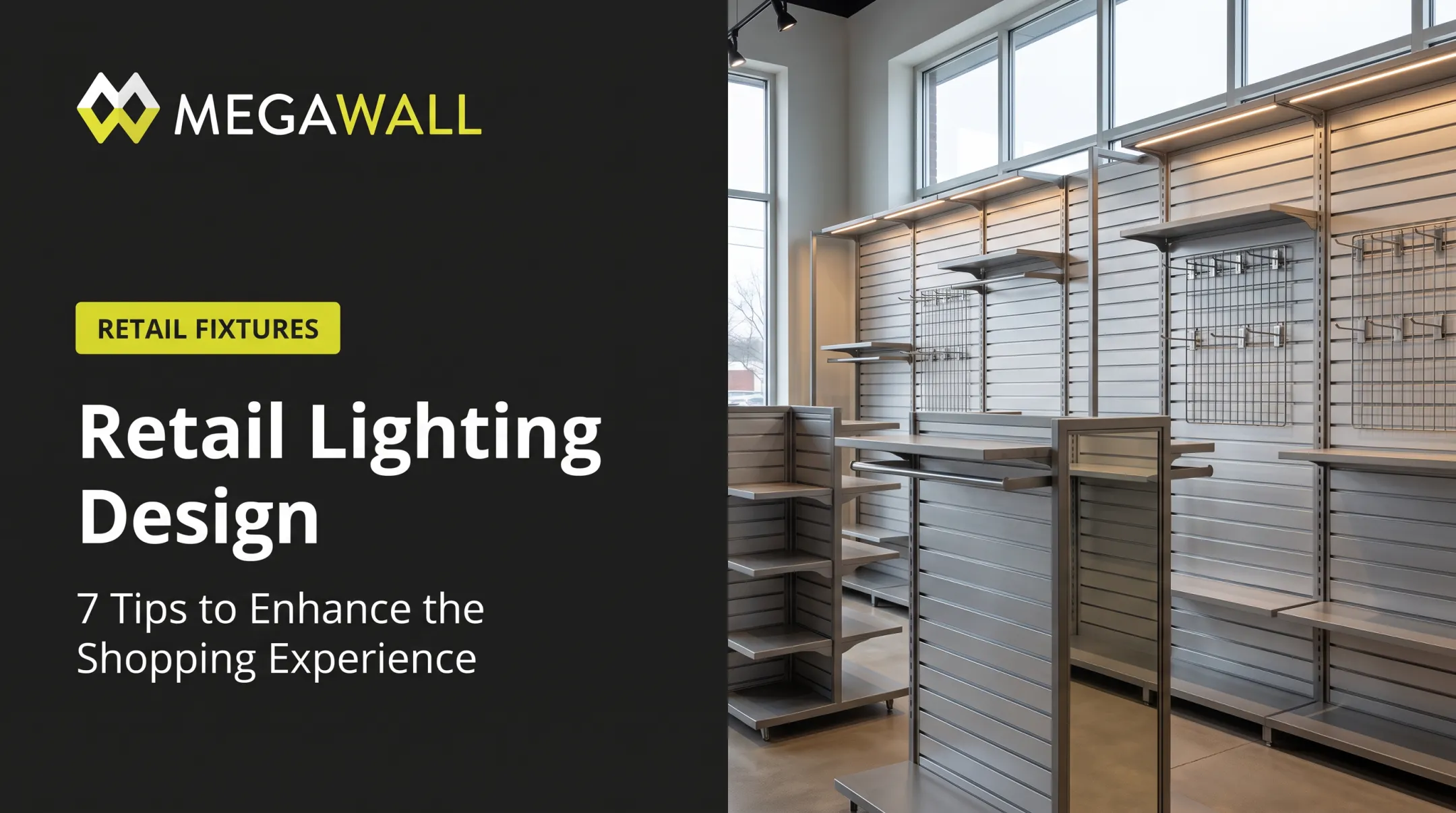
Bright, even lighting on display walls does double duty. Customers need it to judge camera image quality and product finish, and your staff need it to maintain clear surveillance of the floor.
A field experiment by Areni and Kim in a retail wine store found that brighter lighting increased how much customers examined and handled merchandise. Applied to security retail, that means good lighting genuinely helps someone decide whether that camera housing feels solid enough to trust.
Balance accent lighting carefully:
- Highlight flagship products (smart hubs, premium cameras) with focused accent lighting
- Avoid harsh shadows that create staff sightline gaps near high-value fixtures
- Keep color temperature consistent so on-shelf finish matches what customers see in live demos
A bright, organized showroom also signals competence. Customers walking into a security store are already primed to judge whether you look like you know what you're doing. Dim lighting and cluttered shelves send the wrong message before a single word is spoken.
Protecting the Security Store Itself: Loss Prevention and Safety Measures
There's an obvious irony if a security equipment store gets robbed. Layered protection matters here more than almost anywhere else in retail.
Baseline measures worth adopting:
- Surveillance cameras covering entrances, checkout, and high-value fixtures
- EAS tags on small, high-theft items like locks and sensors
- Access control on stockrooms holding inventory or demo units
Retail theft trends underscore why. According to NRF's 2025 retail theft and violence findings, retailers reported an 18% increase in average shoplifting incidents in 2024 versus 2023 across a survey of 168 brands representing $1.3 trillion in sales. More than half also reported rising organized retail crime over the past year.

Practical layout decisions that support loss prevention:
- Position checkout counters with a clear view of both entrance and high-value fixtures
- Keep stockroom lighting adequate; dim storage areas are common sites for employee safety incidents
- Post emergency exits clearly and maintain consistent opening/closing procedures
None of this replaces good fixture design. Locked cases and tethered demos, covered earlier, are your first line of defense on the sales floor itself.
Bringing It Together: Working with a Display Partner for Long-Term Success
Off-the-shelf fixtures rarely fit a security retailer's specific mix of heavy hardware, tech demo needs, and theft-deterrent requirements. An experienced display manufacturer with in-house design and engineering support can solve problems generic suppliers can't.
Megawall operates a 45,000 sq ft fabrication facility in Comstock Park, Michigan, with 21+ years of metal fabrication experience covering laser cutting, forming, welding, and assembly.
That in-house capability means custom fixture configurations (adjusted height, width, slatwall material, and finish) can be engineered around your specific product mix rather than forced into a generic template.
Why this matters as your store grows:
- Modular fixture systems (H-Frame, L-Frame, T-Frame, Pinwheel) support remodels without full teardowns
- Interlocking slatwall sections create consistent, repeatable layouts across multiple locations
- Single design partner reduces guesswork when rolling out new stores
That consistency pays off at scale: you reuse proven layout logic instead of rebuilding it from scratch at every new location.
Frequently Asked Questions
What is the best security system for a retail store?
The best system combines video surveillance, an alarm or intrusion system, access control for restricted areas, and EAS tagging on high-value items. The right mix depends on your store's size, layout, and highest-risk products.
What are the key safety measures in retail stores?
Adequate interior and exterior lighting, secured entry and exit points, ongoing employee training, and consistent opening/closing procedures form the baseline. Clear sightlines from checkout to the sales floor add another layer.
How should a security equipment store display expensive products like cameras and smart locks?
Use durable slatwall fixtures or locked display cases paired with working demo units. This lets customers evaluate build quality and functionality while limiting the risk of theft.
What type of display fixtures work best for heavy security hardware like safes or hard-wired systems?
Steel or aluminum slatwall systems rated for heavy loads outperform standard MDF fixtures, which typically hold far less weight without reinforcement. Look for systems rated for 50+ pounds per linear foot.
How often should a security retailer update its store layout?
Review your layout whenever you launch new product lines, ahead of seasonal demand shifts, and at minimum during an annual security audit. Modular fixtures make these updates faster and less disruptive.