
A store's atmosphere shapes whether customers linger, browse, and buy long before they even look at price tags. In a global study of more than 10,000 consumers, 84% of U.S. shoppers said an enjoyable in-store atmosphere influenced their decision to buy in-person rather than online, and 75% said they stayed longer when music, visuals, and scent worked together (Mood Media, 2019).
This guide covers the practical pieces of a welcoming retail environment: layout, ambiance, fixtures, staff, and the trends worth watching in 2025.
Key Takeaways
- Layout and traffic flow shape a customer's first impression within seconds of entry
- Lighting, scent, and music combine to create a memorable sensory experience
- Durable, modular fixtures organize merchandising space without visual clutter
- Trained, empowered staff turn strong store design into higher conversion
- Sustainable materials and unobtrusive tech now factor into what shoppers expect on the floor
Designing an Inviting Store Layout
The first few seconds after a customer walks in set the tone for the entire visit. If the entrance feels cramped or confusing, shoppers hesitate. That hesitation kills sales. Clear sightlines and an obvious path forward build trust before a single product is touched.
You've probably heard of the "golden triangle": guiding customers from entrance to a focal display to checkout, often with counterclockwise traffic flow. Research on turning bias is more nuanced than the myth suggests. Eye-tracking studies found counterclockwise flow reduced attention to endcaps in some cases, while clockwise flow performed better on longer trips (ScienceDirect, 2022). The real takeaway: there's no universal rule. Test what works for your specific floor plan.
One principle that does hold up: wide, unobstructed entrance aisles reduce the sense of being funneled or rushed, giving shoppers room to slow down and browse.
Popular Layout Styles for Different Retailers
Different store types call for different layouts:
- Grid layouts — straight, parallel aisles that maximize product density. Common in hardware stores and general merchandise retailers where shoppers come with a list.
- Racetrack layouts — a defined loop path that exposes shoppers to the whole store. Popular in apparel, where discovery drives sales.
- Boutique/free-flow layouts — irregular, open arrangements that encourage exploration. Ideal for specialty gift shops and smaller-format stores.
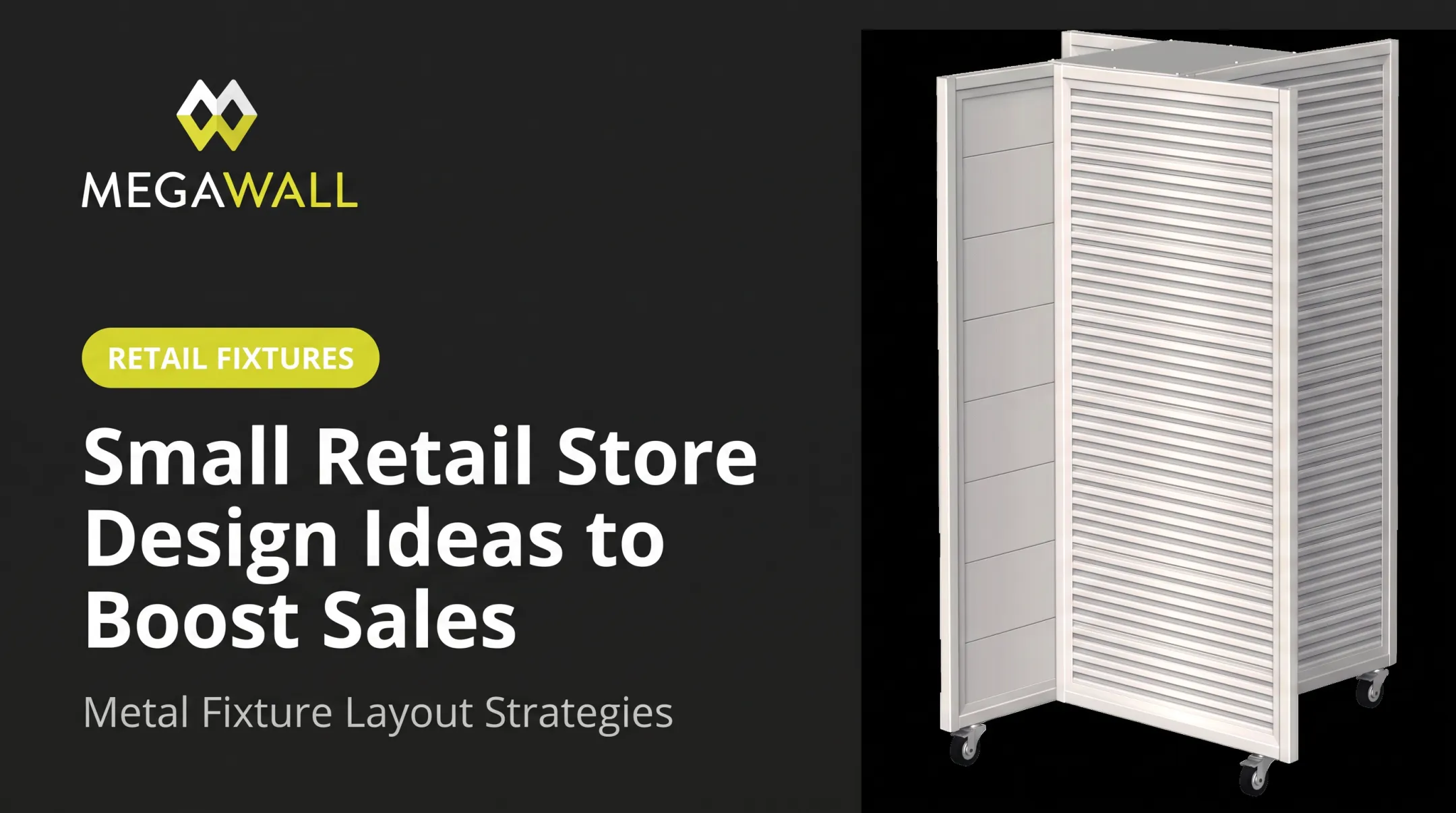
Whichever layout you choose, the fixtures inside it need to flex with the space. Modular units like Megawall's H-Frame, L-Frame, and Pinwheel designs make that easier. An L-Frame, for example, can be positioned to create a focal point that naturally guides traffic toward a specific department.

Zoning and Merchandising Space
Smart zoning breaks the store into purposeful areas:
- Entrance zone — seasonal or promotional items that grab attention immediately
- Power zones near checkout — small, high-margin impulse items
- Rest areas — a bench or open pocket of space where shoppers can pause
Be careful about assuming a zoning tweak automatically boosts sales. A matched-store study of two Australian supermarkets found that adding a middle aisle produced no statistically significant difference in basket size, spend, or trip duration (ScienceDirect, 2019). Zoning changes should be treated as tests, not guarantees.
Fixtures still matter here. Modular systems that use vertical wall space (rather than eating into floor space) let retailers add merchandising capacity without making aisles feel tighter. A Pinwheel unit, for instance, provides four vertical display surfaces in a footprint that would otherwise fit a single small fixture.

Creating a Warm, Multi-Sensory Ambiance
Lighting does more than illuminate: it directs attention and shapes mood. A layered approach combining ambient (overall room lighting), task (checkout and fitting rooms), and accent (highlighting featured products) creates depth that flat fluorescent lighting can't match.
There's real evidence behind this. A supplier case study with Philips and German retailer Globus found that a colored-lighting treatment increased sales in a promotional area by 6% and boosted visits to that area by 15% (Signify, 2017). It's one European case, not a universal benchmark, but it's a strong reason to test lighting changes instead of defaulting to harsh overhead fixtures.
Warm, soft lighting tends to make merchandise feel more premium and the space more comfortable. Harsh overhead fluorescents do the opposite. They flatten color, wash out displays, and make a space feel clinical rather than inviting.
Sound and Scent as Atmosphere Tools
Music and scent also shape how shoppers move and spend:
- A Journal of Retailing field experiment across six grocery stores found that fast-tempo music increased basket value by roughly 8% in crowded conditions, driven by more items purchased rather than pricier ones (ASU, 2017)
- Brand-congruent scent, used at a moderate intensity, can improve store evaluations and encourage shoppers to linger—especially when the fragrance matches the merchandise
Color carries the same job as light and sound: it sets pace and expectation.
- Warm tones (reds, oranges) add energy and urgency near clearance or impulse zones
- Cool tones (blues, greens) signal calm and trust in wellness or premium categories
Seating closes the loop. A single bench near a fitting room, or a small rest nook, signals hospitality without a major spend.
Choosing Durable, Well-Organized Fixtures and Displays
A beautifully lit, well-laid-out store falls apart fast if the fixtures look cheap or start sagging under merchandise weight. Flimsy displays look bad and erode the trust you've worked to build with layout and lighting.
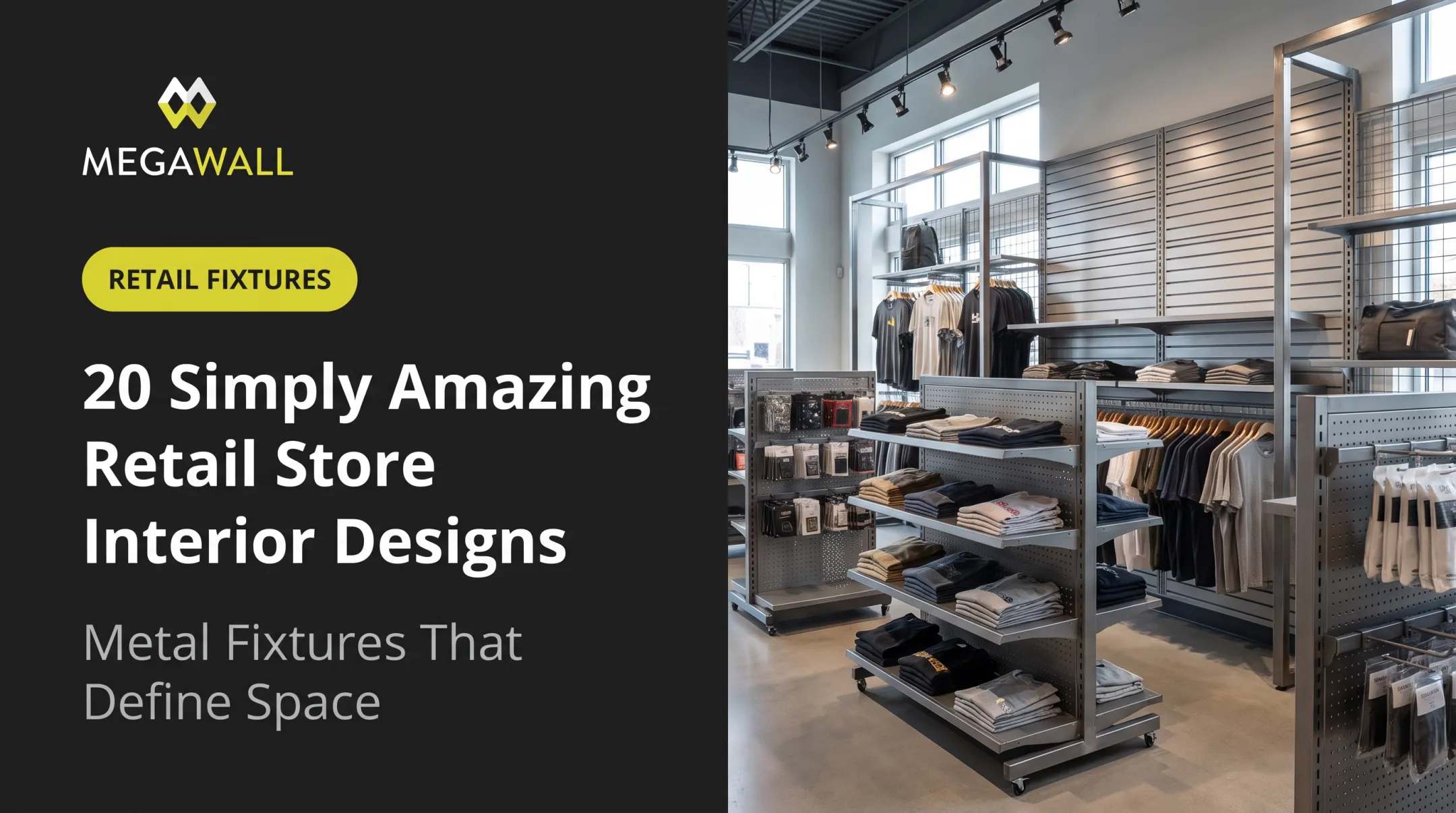
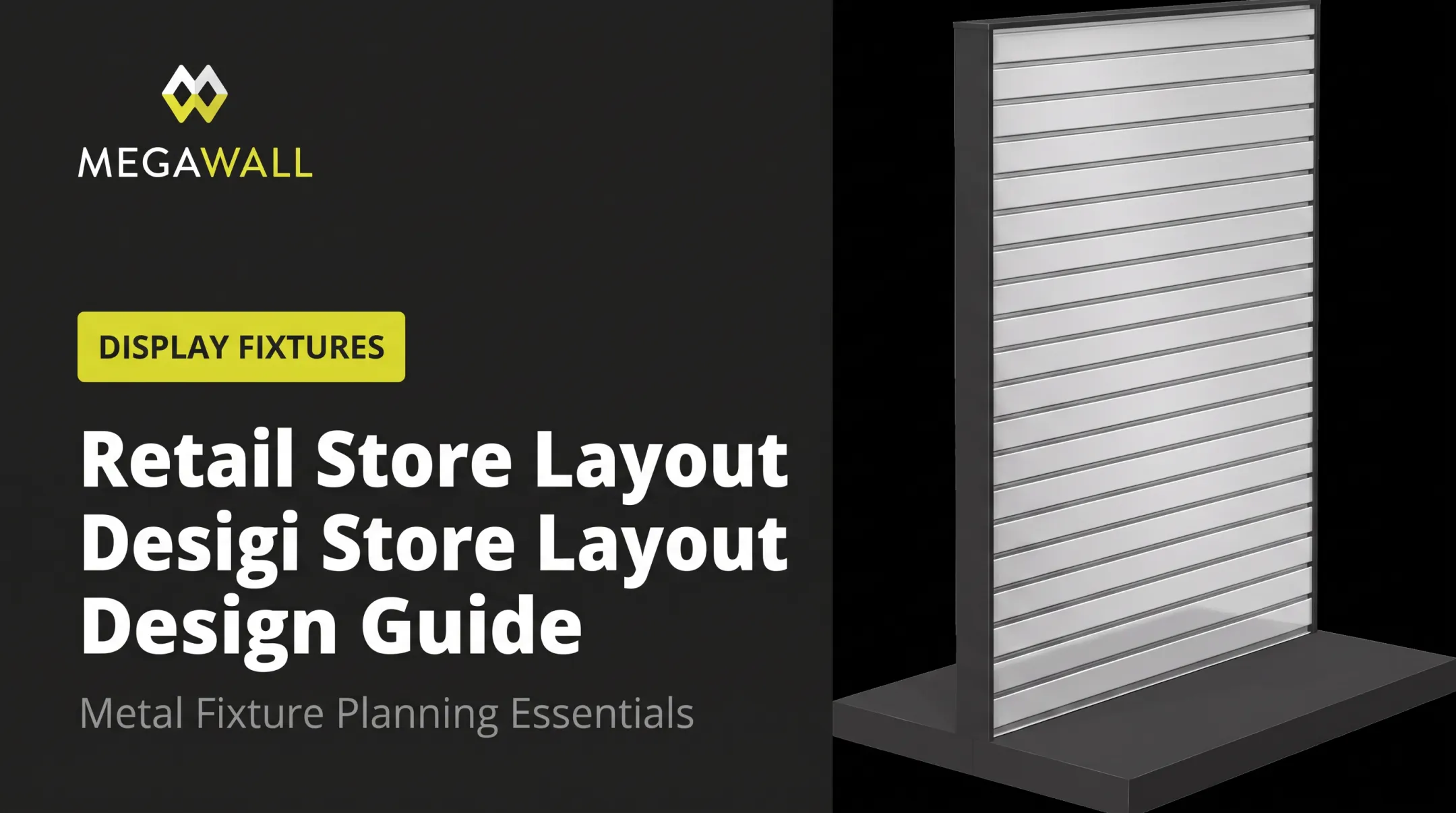
This is where slatwall and modular display systems earn their keep. They keep merchandise organized and let you reconfigure a section in minutes rather than tearing out a whole display.
What durable fixtures should deliver:
- Hidden fasteners for a clean, seamless look (Megawall's systems achieve this across sections up to 8 feet)
- Real load capacity: steel slatwall systems hold over 50 lbs per linear foot, so shelves don't bow under heavier product
- Sustainable material options: Megawall's aluminum slatwall uses more than 50% recycled content and carries LEED certification
- Fire-code compliant construction that holds up to inspection standards
- Easy-to-clean surfaces that still look sharp after years of daily handling

Built for Seasonal Flexibility
Modular fixtures like H-Frame, L-Frame, T-Frame, and Pinwheel configurations let you swap seasonal merchandise without a remodel. The NuPanel gondola retrofit system goes a step further. Panels drop into standard gondolas in minutes, in 6-inch increments with 1-inch slat spacing, so shelving and signage keep pace with your assortment.
Fixtures that survive years of resets, cleaning, and heavy product loads are what keep a welcoming store from slowly looking tired.
Training Staff to Reinforce a Welcoming Feel
Design creates the stage. Staff bring the welcome to life.
A genuine greeting and a confident answer build more customer trust than any display. Retailers who train staff to engage, not just transact, earn that trust back in repeat visits.
Layout and service quality reinforce each other. Wide aisles and well-organized fixtures let associates reach shoppers quickly instead of working around clutter. Product knowledge closes the loop: staff who can speak clearly about what's on the shelf echo the same trust that clean fixtures and good lighting create.
Ways staff and store design work together:
- Keep aisles clear so associates can approach customers without delay
- Organize fixtures so products are easy to find and explain
- Train teams on the merchandise actually stocked on the floor
- Use natural layout pause points as greeting and help zones
Keeping Up with Retail Store Design Trends
Retail atmosphere isn't static. Three trends are shaping stores right now:
Experiential retail. Demos, interactive zones, and personalization are drawing shoppers back to physical stores. In the Mood Media survey, 41% of U.S. respondents said a personalized in-store experience made them more likely to buy, and 43% said digital screens influenced their purchase decision.
Sustainable materials. Shoppers increasingly expect retailers to act on sustainability. A 2022 survey found 53% of U.S. consumers said they'd shop a brand less often if it operated unsustainably, and more than 90% said retailers should do more on environmental performance (Sensormatic, 2022).
Recycled-content fixtures and energy-efficient lighting are practical, visible ways to respond.
Light tech integration. Smart mirrors, digital signage, and other subtle tech additions are showing up even in traditional categories. H&M piloted smart fitting-room mirrors at COS stores in Beverly Hills, offering styling recommendations without shoppers leaving the room. Add technology only where it genuinely helps the shopper.

Frequently Asked Questions
What are the 5 P's of retail?
Product, Price, Place, Promotion, and People. Each shapes atmosphere in some way, but People (staff) and Place (the physical environment) are most directly tied to how welcoming a store feels.
What are the 5 R's of retail?
Right product, right place, right time, right quantity, and right price. These principles guide merchandising decisions that support the zoning and layout strategies covered above.
What is the best layout for a retail store?
There isn't one. Grid layouts suit hardware and general merchandise, racetrack layouts work well for apparel, and boutique layouts fit specialty gift shops. The right choice depends on store size and how customers shop.
What are the latest trends in storefront design?
Experiential retail, sustainable materials, and light-touch tech integration are the three biggest trends shaping stores today. Together, they respond to shoppers who want both a physical experience and a sense that the retailer shares their values.
How can lighting improve a store's atmosphere?
Layered lighting (ambient, task, and accent) creates comfort while highlighting merchandise effectively. Warm lighting tends to feel more inviting than harsh fluorescents.
What type of store fixtures create the most welcoming look?
Clean-lined, durable fixtures like slatwall systems keep displays organized and easy to navigate. Hidden fasteners and consistent finishes give a polished look that holds up over years of daily use.