
The problem? Too many stores build one fall display in September and let it sit, unchanged, through Halloween. Shoppers stop noticing it. Impulse sales dry up.
This guide covers display themes, fixture strategy, color and lighting, and how to keep momentum going all season without a full teardown every few weeks.
Key Takeaways
- Tie fall displays to real occasions like tailgates, lunchboxes, baking, and harvest, not just generic "fall" signage
- Warm, earthy palettes and rustic props (crates, hay, pumpkins) grab attention fast
- Durable fixtures like slatwall let you rotate seasonal SKUs without rebuilding from scratch
- Blending seasonal accents into evergreen displays keeps things fresh through Thanksgiving
Fall Display Themes That Drive Basket Size
Generic "fall harvest" signage doesn't move product. Occasion-based displays do.
Apple Destinations
Local apple season is a merchandising opportunity most stores underuse. A Pennsylvania produce merchandiser interviewed by The Packer recommends stocking 12-14 varieties at peak, paired with:
- Recipe cards for apple crisp or salad
- Cider, pie crust, and baking spices nearby
- Pop-up bins near the salad section for cross-shopping
- Grower-branded bins in bakery to reinforce local sourcing

Back-to-School Lunchbox Stations
September still carries lunchbox momentum. Instacart data shows variety-pack snacks up 41% and yogurt tubes up 17% versus yearly averages during back-to-school season. Bundle:
- Grapes, clementines, and pre-cut veggies
- Snack bars and pouches
- Reusable containers near the produce endcap
Once lunchbox season fades, attention shifts to the next high-traffic occasion: game day.
Tailgate and Game-Day Centerpieces
Avocado-based displays consistently outperform. Retail data from Avocados From Mexico shows branded produce displays drove a 25% unit-sales increase, and the Hass Avocado Board reported similar dollar gains during peak game weeks. Build guac stations with avocados, limes, peppers, and tortilla chips at eye level.

As game day traffic tapers, harvest visuals take over the store's focal points.
Harvest and Color-Driven Displays
Layer pumpkins, gourds, and squash at varying heights using crates and barrels. Vary the color story — deep orange, mustard yellow, burgundy — rather than sticking to one shade. Nearly one in six brand purchases happens when that brand's display is present, according to a widely cited POPAI shopper study, which underscores why visibility matters more than perfect symmetry. Tiered, height-varied fixtures make this kind of layering possible without constant restacking — a practical consideration when staff are already stretched thin during peak season.
Add QR codes linking to recipes. It won't guarantee a lift on its own, but it builds shopper confidence to try something new — like an unfamiliar squash variety.
Fixtures and Merchandising Structures for Fall Setups
Fall and holiday shopping periods bring heavier foot traffic and heavier displays. Flimsy fixtures buckle under both.
What matters most during a seasonal reset:
- Weight capacity for bins, crates, and dense produce
- Easy reconfiguration without visible hardware damage
- Multiple eye-level zones to merchandise more SKUs in the same footprint
Slatwall for Fast, Frequent Resets
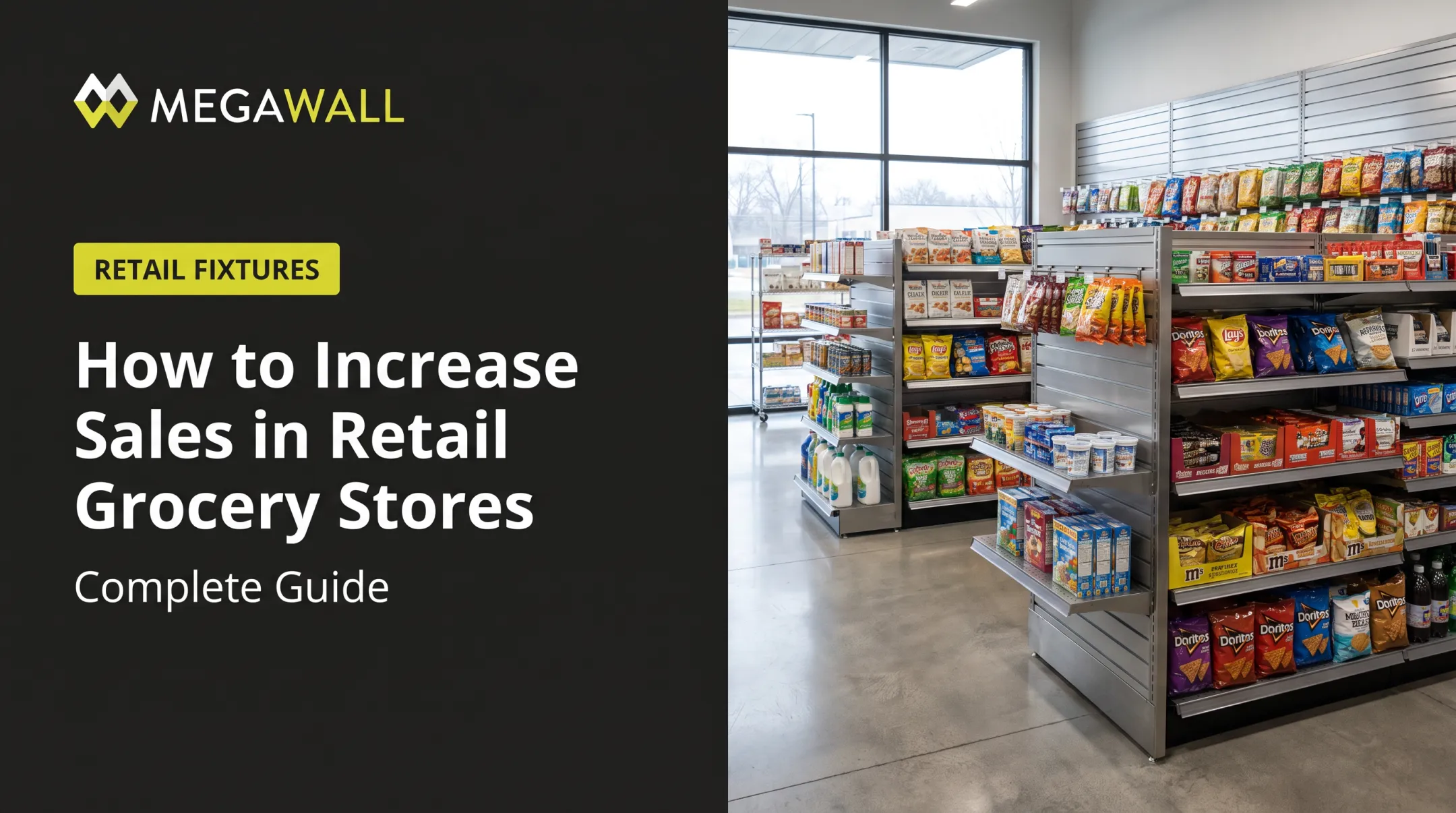
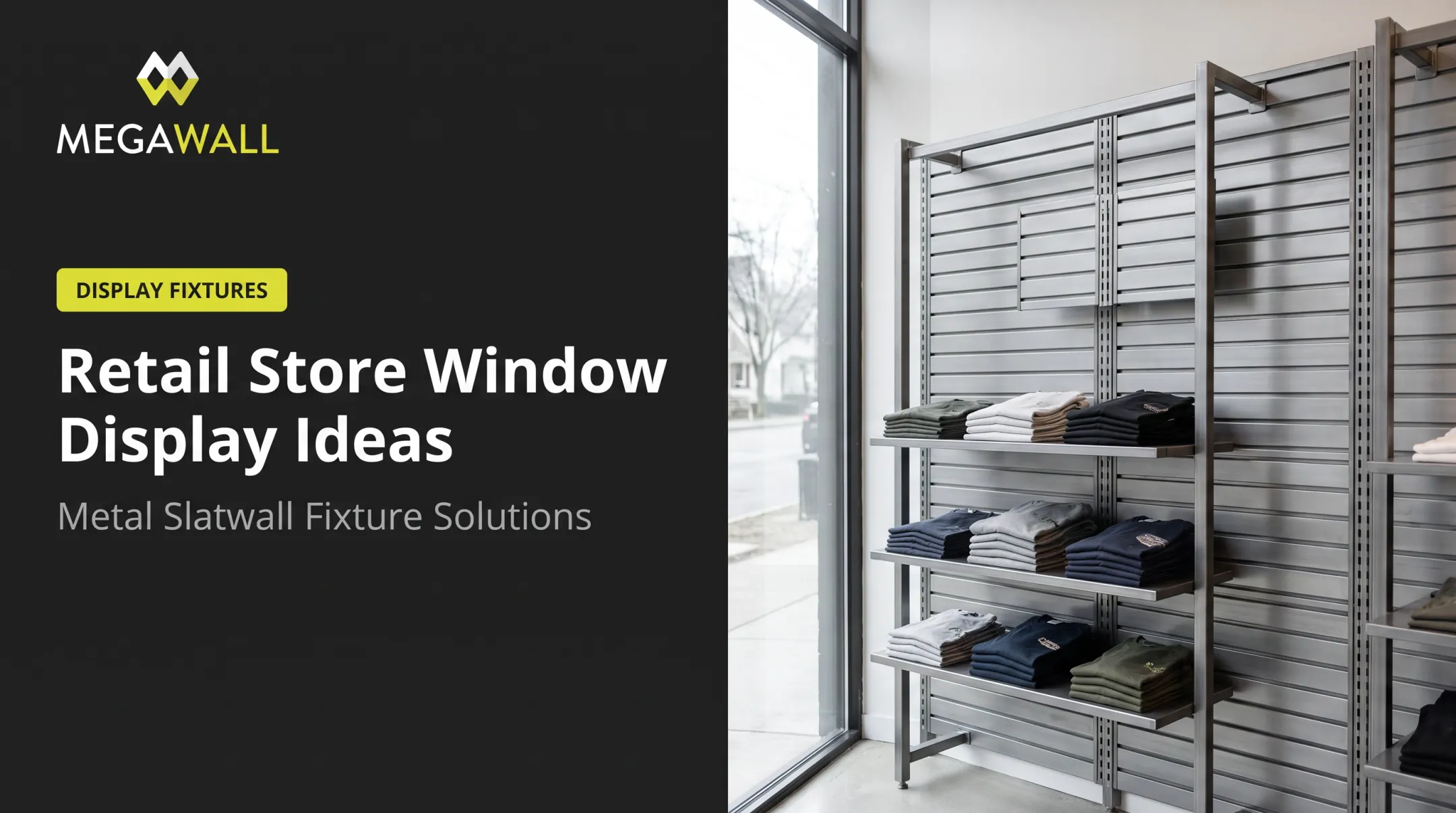
Megawall's steel and aluminum slatwall systems hold over 50 pounds per linear foot — enough for produce bins, hooks, and heavier seasonal accessories. Steel comes in 32-square-foot sections (8 feet by 4 feet, or the reverse), while aluminum offers slat spacing from 1 to 3 inches on center for finer layout control.
The hidden-fastener design means no exposed screws breaking up the display's look. Seamless sections run up to 8 feet, which holds up well when you're rearranging shelves and hooks weekly.

Layered, Abundant Looks
Tiered baskets, wooden crates, and barrels create the "market stand" feel shoppers associate with harvest season. Layering also cushions delicate produce from bruising and adds visual height to an otherwise flat display.
These structures pair well with slatwall hooks and shelf brackets for a mixed-height layout:
- Wooden crates for pumpkins, gourds, and squash at floor level
- Tiered baskets for apples and smaller produce at eye level
- Barrels or bins for bulk items like nuts or cider jugs
Endcaps and Cash-Wrap Zones
Endcaps remain prime real estate for last-minute, high-margin add-ons — think caramel dip near apples, or spice mixes near squash. Megawall's End Cap Panels fit standard 36- or 48-inch gondolas and install in about a minute, making them practical for a quick seasonal refresh rather than a full rebuild.
Color, Lighting and Rustic Styling Techniques
Pick one anchor autumn color — deep red, burnt orange, or amber — that complements your store's existing branding. Don't try to use all three at once; it reads as cluttered rather than seasonal.
Layer natural textures for a cohesive look:
- Burlap runners under produce bins
- Small hay bales as riser bases
- Loose leaves or pinecones as filler around pumpkins
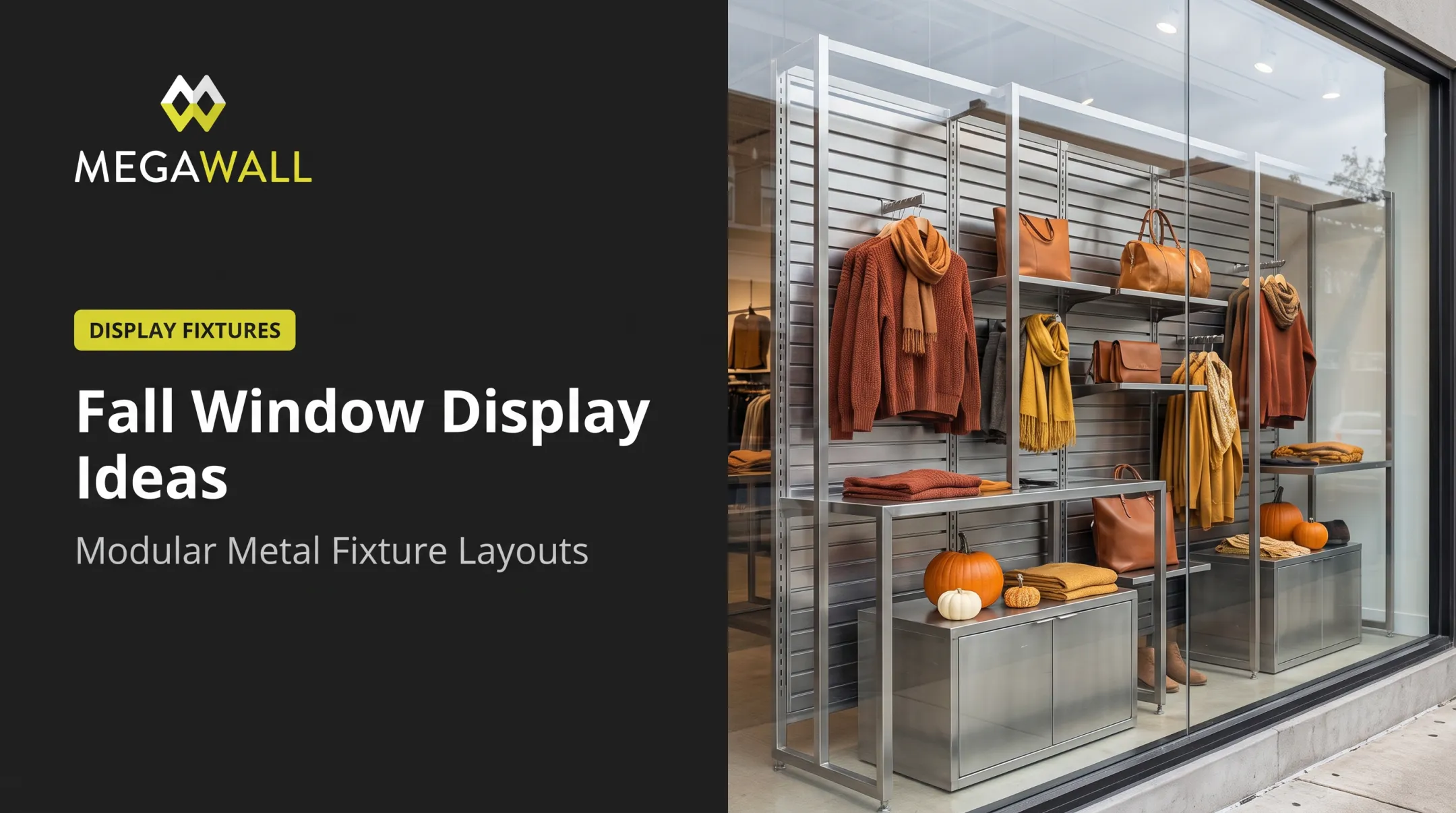
- Sturdy metal risers or shelf fixtures dressed with fall textiles for a display that holds up through the season
Swap standard fluorescent lighting for warm LED tones over seasonal zones. It enhances the cozy feel without washing out the natural color of produce — a subtle change that makes displays feel intentional rather than leftover from summer.
Balancing Seasonal Impact With Everyday Operations
Full seasonal teardowns are expensive and time-consuming. According to FMI's guide on seasonal merchandising, seasonal touches help grocers create a dynamic shopping environment and build loyalty — but that only works if the seasonal touches feel fresh, not stale.
Blend instead of replace:
- Add pumpkins directly into existing produce cases rather than building a separate display
- Hang paper leaves or seasonal signage overhead on evergreen fixtures
- Use retrofit panels on existing gondolas instead of rebuilding entire sections
Megawall's NuPanel system retrofits into existing 36- or 48-inch gondolas in 6-inch height increments, so retailers can refresh a section without dismantling the whole fixture. That matters heading into Thanksgiving — you want a transition path, not a full reset every three weeks.
A simple transition plan:
- Early September: back-to-school and apple displays
- Late September–October: harvest colors, Halloween candy, tailgate stations
- November: swap pumpkins for gourds and cranberries, layer in Thanksgiving staples using the same fixtures

Merchandising for Profit: What to Feature and Why
Perimeter departments — produce, bakery, deli — consistently carry higher margins than center-store packaged goodsthan most center-store packaged goods. Fall displays are a natural fit for pushing these categories forward.
Prioritize:
- Bakery items (pie crusts, dinner rolls) placed near produce anchors like apples and squash
- Deli/prepared foods for shoppers doing tailgate or potluck prep
- Local or specialty items that support a "seasonal discovery" story
Endcaps and impulse zones near high-traffic aisles remain the best real estate for bundling. Modular endcap fixtures make it easy to rotate these pairings in and out as the season progresses. Pair pie crust with apples. Put caramel dip next to the apple bin. Put chip clips near the guac station. Small pairings like this add up in basket size, even without a dramatic redesign.
Frequently Asked Questions
What is the most profitable item in a grocery store?
High-margin categories like bakery, deli/prepared foods, and specialty or local produce tend to carry the strongest margins. Featuring these in fall displays — pie crust near apples, prepared sides near tailgate items — helps lift overall basket profitability.
What are some fall themed items?
Common picks include pumpkins, gourds, apples, squash, cranberries, mums, hay bales, and seasonal baked goods like pie and apple crisp mix. Halloween candy also spikes sharply in late October.
How often should fall grocery displays be refreshed?
Weekly restocking keeps displays looking full, while the overall theme should shift roughly every 3-4 weeks — moving from back-to-school to harvest/Halloween to early Thanksgiving prep.
What fixtures work best for seasonal grocery displays?
Steel or aluminum slatwall systems offer flexibility for rotating SKUs at multiple eye levels, while wooden crates and tiered baskets add a layered, abundant look. Metal slatwall holding 50+ lbs per linear foot handles heavy fall loads like pumpkins and canned goods without sagging.
How can small grocery stores compete with larger chains on fall displays?
Lean into local sourcing stories, community touches, and creativity rather than trying to match big-chain budgets. A well-told local apple or produce story often outperforms a generic mega-display.
What colors work best for fall retail displays?
Warm tones — orange, red, yellow, brown — work best when paired with your existing brand colors. Pick one anchor shade rather than mixing all of them at once for a cleaner, more intentional look.